News

Louder Than Life and Inkcarceration launch special, dual festival ticket, The LoudINK Pass
Because why decide between two of America’s biggest fests when you could do both Louder Than Life and Inkcarceration in 2026?!
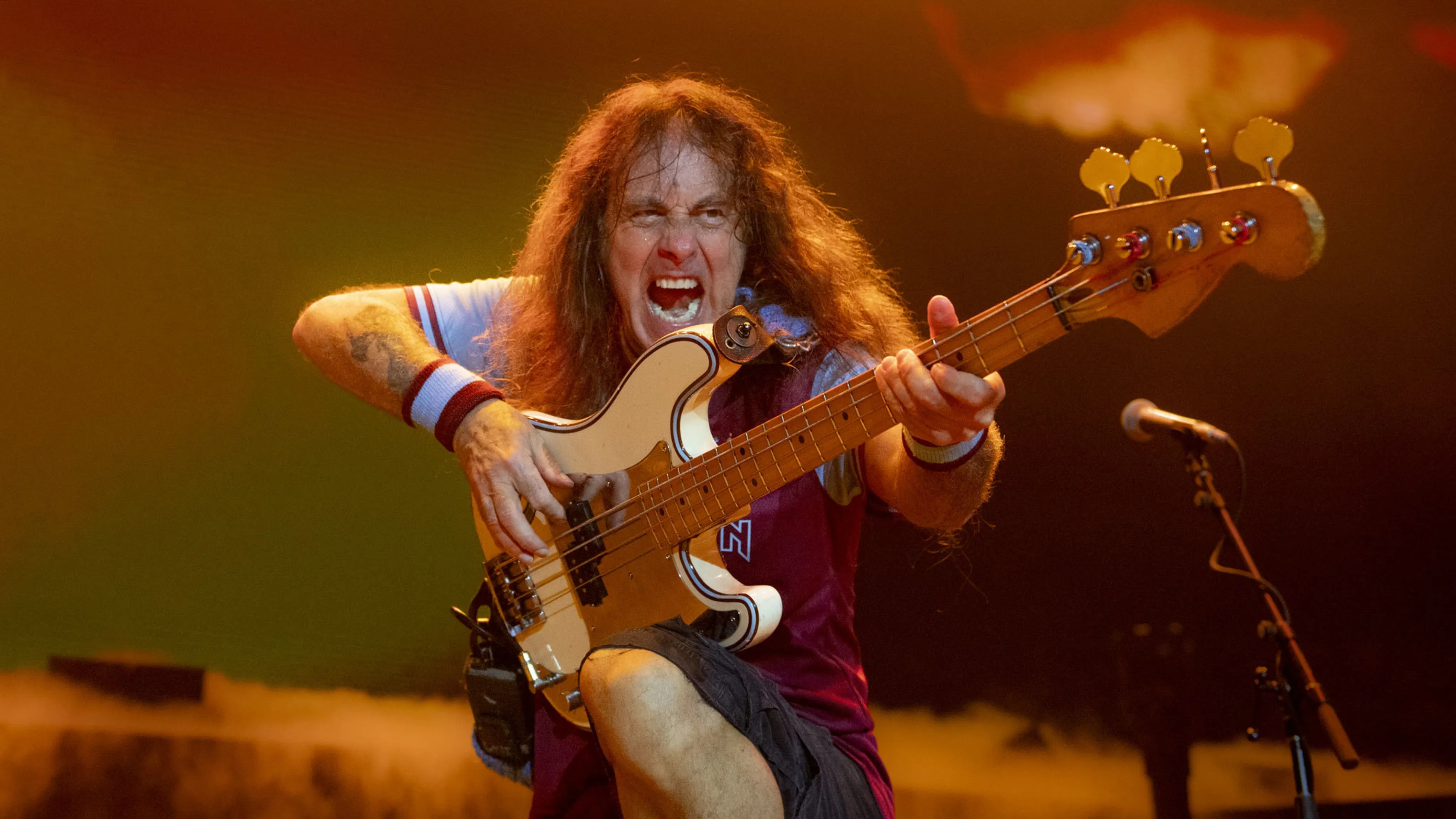
After another summer in stadiums with Iron Maiden, Steve Harris is going back to the pub circuit where they started. Catching up at the beginning of British Lion’s 18-date UK tour, we dig into that undying drive and why supporting spaces like these is more vital than ever…
“How sad is it when you step into a venue and get excited about a washing machine?”
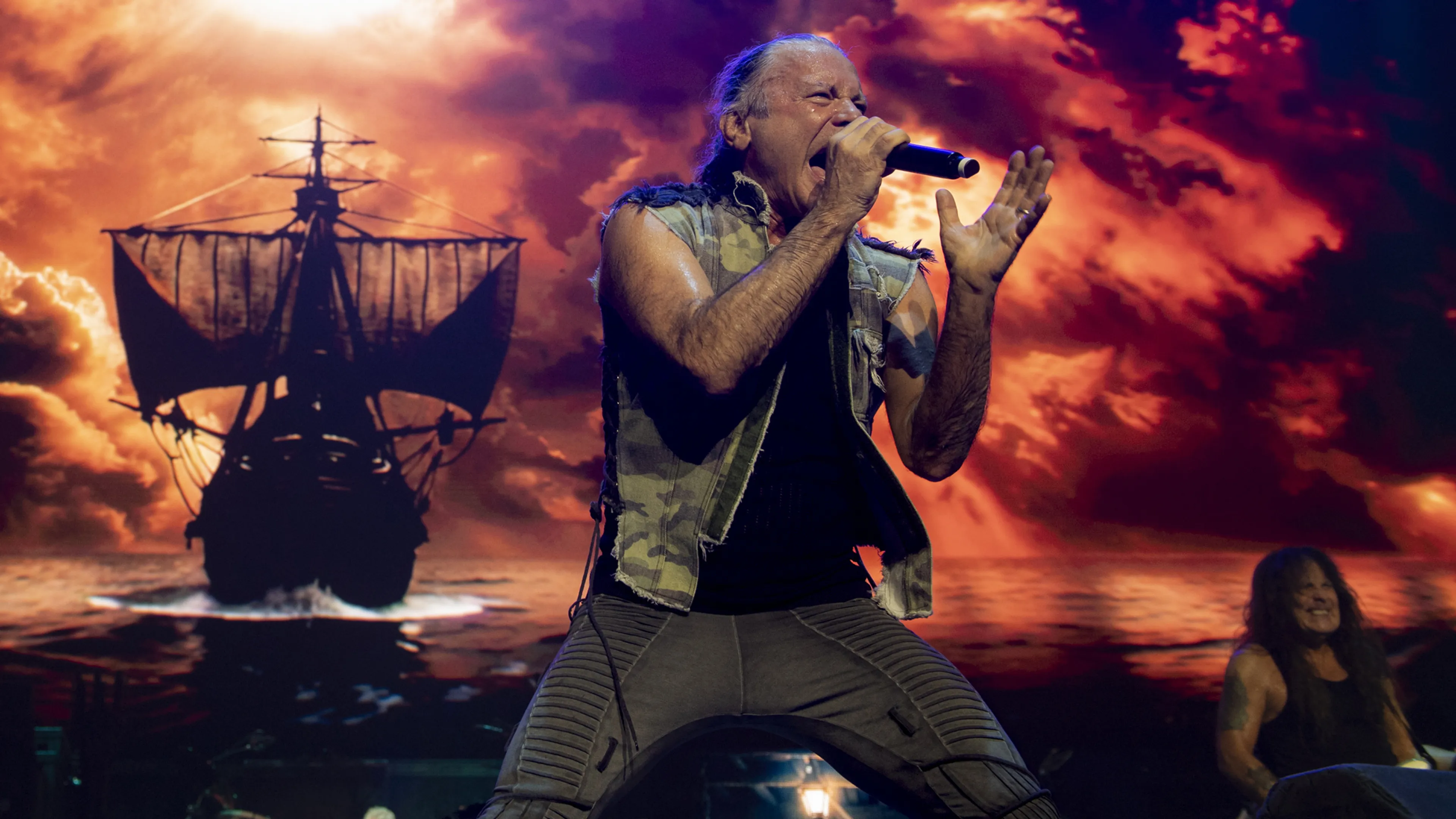
There’s a knowing glimmer in Steve Harris’ eyes, but just for a millisecond. Despite being one of the most recognisable faces in the history of heavy metal – selling over a million tickets with Iron Maiden this year alone – when he’s out with British Lion, Steve’s still just one of the band.
“We’ve actually got a small portable washing machine and a small portable dryer with us, which we’ve not tried out yet,” he grins. “If it works well, I’m tellin’ ya, it could be the next big thing!”
A few days ago, Steve was swimming in the sea at his home near Nassau in the Bahamas. Last night, he was looking out into far colder waters off Scotland’s west coast in Troon.
“I’m back over here and freezing my nuts off,” he laughs. “I wouldn’t chance swimming in there! But it was still beautiful, just a different kind of beautiful.”
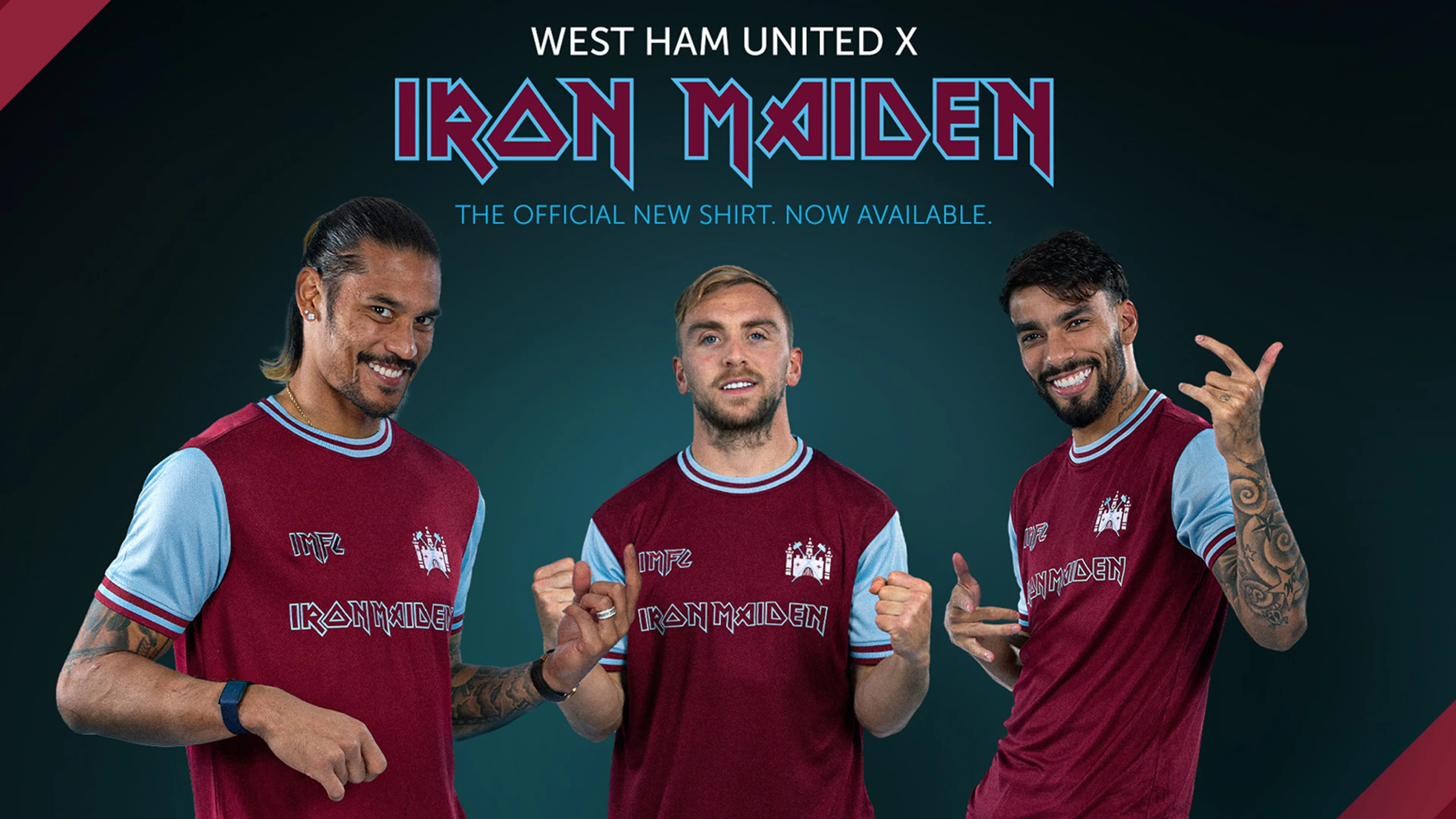
This evening, he’s holed-up in the production office at 300-cap Anarchy Brew Co. in a frosty industrial estate a few miles north-east of the city centre in Newcastle-Upon-Tyne. Having just watched his beloved West Ham lose 2-0 to Liverpool, Steve could be forgiven for being in foul form, but his relish for nights like these is resolutely undimmed.
“People think I’m crazy,” he continues, unpacking why he’s finishing a busy year on the road with a three-week-long tour of grassroots venues with his bit on the side. “I think I’m crazy sometimes. But I just love to play. I love playing, full-stop, but especially in these small venues.
“Tonight’s is a great little spot that I’ve never played before. It’s got the same sort of vibe as those earthy German venues. Plus they’ve got all the beers on tap. I don’t drink much these days. When I do, I prefer real ale. I don’t mind a refreshing drop of lager sometimes. And I quite like a Guinness once in a while. Here, they’ve even got one of ours, made special for us. I haven’t tasted it yet. I dare not before the gig. But I’ll have to try it afterwards, won’t I? It’s got my name on it!”
Outsiders might imagine that tours like these are a sort of vanity exercise, with VIP facilities behind the scenes. That’s not the case at all. Self-admittedly, Steve likes “the harsh side of things”. Every load-in is a race to fill the weird and wonderful assortment of stages they will play with as much production as possible. Soundchecks by the band – something Maiden no longer need – are essential, eating a sizeable chunk out of every day.
Between venues, Steve and his bandmates – guitarists David Hawkins and Grahame Leslie, drummer Simon Dawson, vocalist Richard Taylor – are crammed into a full 16-berth tour bus, where even the traditionally spare ‘junk bunk’ has been taken by old mucker and opening act Tony Moore. Hotel stays are scheduled only on days off, of which there are four on this 18-date run, simply as a sacrifice to keep them all sane.
“It’s important to get on with people on a bus,” he smiles. “There’s no ejector-seat if you don’t!”
Analysing why exactly he feels the draw to the back-rooms and bunkers isn’t high on Steve’s list of priorities at this stage, but ultimately it’s about the thrill of a crowd within touching distance.
“With Maiden, we try to make a big venue feel like a club. But the bigger and bigger the band gets, the harder that becomes. Rod [Smallwood, Maiden’s manager] will tell us that we’ve got to do a warm-up show and it turns out the ‘warm-up’ is in front of 20,000 people. We’ll put in catwalks and things like that but then they just push the audience barrier further and further back.
“That’s just where Maiden has gotten to, and I’m not knocking it at all. But I’m lucky because I’m still able to do both. I can play one night to [maybe 100,000] and then another to 400 or 500 people. We all come from wherever we come from. At the end of the day it’s about getting back to the grassroots and dealing with real people. I don’t really have to speak with promoters too much. Our tour manager does that. Most of the time I end up talking to the bar staff or whoever else is about!”
As the bus rolls on to Bradford’s 500-cap Nightrain and then Manchester’s 550-cap Gorilla – arguably the most ‘mainstream’ venue on the whole run, but rammed with the same denim-and-leather clad die-hards as every other raucous stop – Steve stresses the importance of common-sense routing. Having once given their good-humoured booker a map, a dartboard and a blindfold for her birthday, the bassist sat down with her to make this pre-Christmas run as streamlined as possible.
“I don’t want to zig-zag all over the place to add more stress and miles on the road if they’re not really needed,” he explains. “And if we end up with the old chestnut of venue availability, we’ll play a different venue or a different city instead.”
Rooms of this size are getting harder and harder to come by, however. Alongside places far off the standard circuits like Frome, Gravesend and the Isle of Wight, British Lion will make their first-ever stop in Exeter on December 7 at the 510-cap Exeter Phoenix. Steve is glad to be able to give fans in the south-west a chance to see a band of this calibre without adding hours of travel, but he stresses that their absence on recent tours was not a matter of choice, having hugely enjoyed a 2015 show at Plymouth’s The Hub only to find it had been shut and demolished in 2019.
“It is what it is,” Steve frowns stoically at the accelerated closure of small venues in the UK, but as a fan of the up-close-and-personal he can’t hide his sadness. “It’s a shame that a lot of the old places aren’t around anymore. A mate of mine brought me a couple of books recently about all the venues that have been closed down. To be able to fill two books is a sad thing. It’s tough because it used to be a smaller band could go out and really learn their trade in a pub. It’s getting harder and harder to do that nowadays. There are still just about enough venues at this [300-600-cap] level to go around, but below that it’s gotten very tough. So many pubs aren’t pubs of any sort anymore.”
Undeniably, having musicians of Steve’s stature filling rooms and selling gutloads of pizza and beer in places well off the beaten track during the competitive pre-Christmas period is exactly the kind of thing that keeps these businesses open. Steve himself deflects any such praise, insisting that he’s playing pubs and clubs because he wants to rather than because they need him to. But everyone else we speak to, from promoters to security and bar staff, appreciate the coffers filled.
“It’s fantastic to see British Lion bringing these shows into the country’s grassroots music venues and taking music directly to communities that are crying out for great live experiences,” says Mark Davyd, CEO and founder of Music Venue Trust, who promote and protect such spaces for local artists and communities. “Steve’s own story with Iron Maiden, from the Cart & Horses to Knebworth, is a prime example of why these venues have so much to offer and remain so important!”
Indeed, after hitting every nook and cranny travelling virtually the length and breadth of Great Britain, winter 2025 wraps up on far more familiar turf. Christmas Day will mark 50 years since the formation of Iron Maiden, and between December 15-19, British Lion will play a packed five-night residency at London’s aforementioned Cart & Horses, the ‘birthplace’ of that band.
Insisting that the return to where it all began is purely coincidental (“Last time we sold out four nights in about 10 minutes, so this time I asked Richie if he’d be okay doing five…”), Steve is keen to press that those shows are all about his British Lion bandmates, but he permits a moment of reflection.
“Would the 19-year-old Steve who played those shows ever have imagined that I’d be sitting here like I am today?” ’Arry rolls the question over with the hint of a wry smile. “Of course not. You don’t think about anything like that when you’re 19. Well, you shouldn’t, anyway. You should be concentrating on the next gig, making an album and getting out on tour. And if he could see where I’ve gotten to? He’d probably just think to himself, ‘If he’s still doing this, then I can do it, too.’”
Indeed, on March 12, Steve will turn 70. Neither he nor we can think of another musician rolling into their eighth decade still touring pubs out of pleasure rather than necessity. And as we take our leave he explains how it’s that love of these rooms that generates the drive to keep coming back.
“I’m not thinking about retirement,” he says. “But we all know that it’s coming at some point when you’ll be forced into it by one thing or another. I still stay fit, playing football and tennis and things, but you never know what’s coming round the corner. That’s why you’ve got to make the most of this while you can, going out enjoy every gig for the sake of it. I’ve been saying that for the last 10 years, but it’s truer now than ever.
“I’m scared to stop in a way, scared to slow down. But playing shows like these does bring that old feeling back. They’re very similar in many regards. It’s about that feeling of trying to be out there fighting for the band, trying to get as many people in as possible, proving yourself every night to try and get exactly where it is that you want to be.”
British Lion are on tour in the UK until December 19.